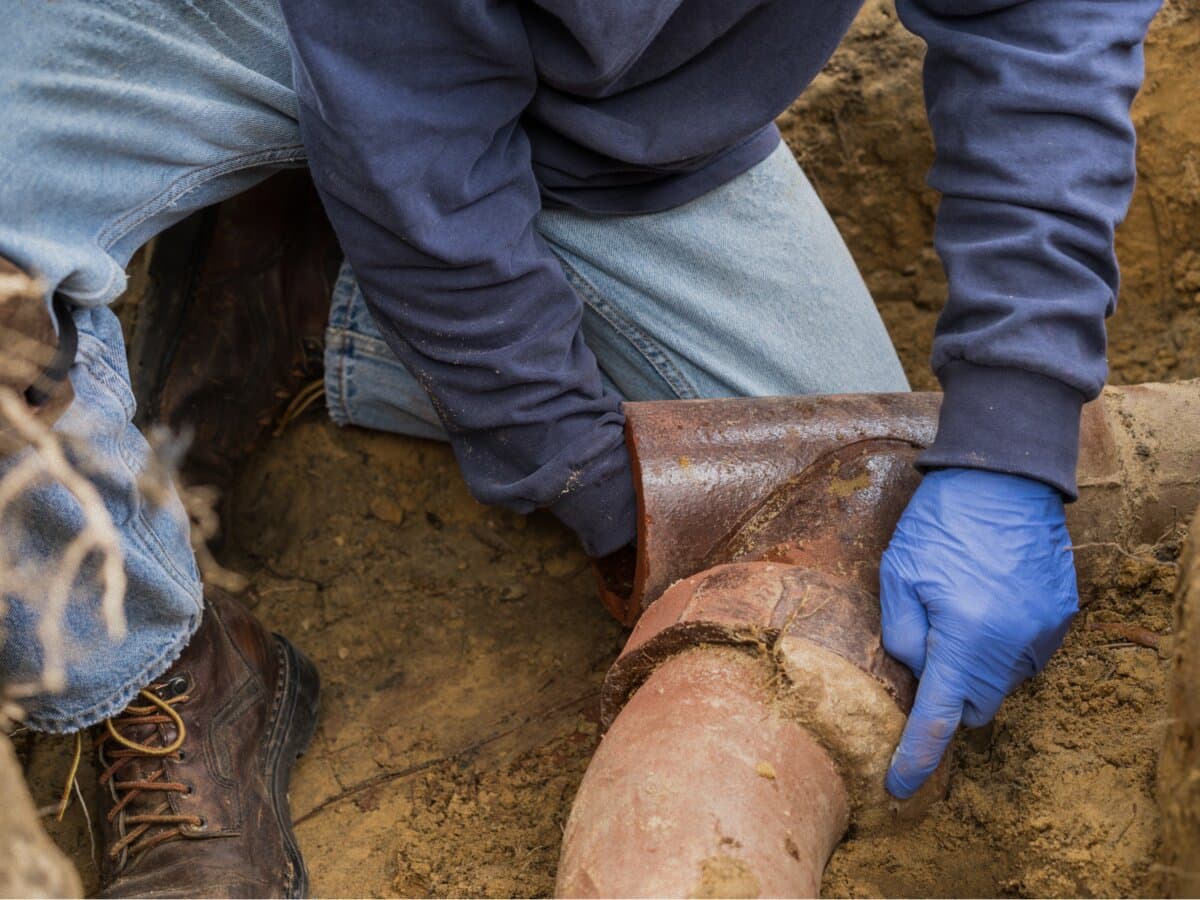
Many older homes and multifamily buildings in West LA, the Beach Cities, and the South Bay still rely on cast iron drain lines. Cast iron can last a long time, but it does not last forever. Over time, the pipe can corrode from the inside, collect scale, develop rough walls, crack, leak, or become vulnerable to recurring blockages.
The frustrating part is that cast iron problems often start quietly. A drain may slow down. A sewer smell may come and go. A lower-level fixture may gurgle. Then one day the property has a backup, leak, or emergency repair.
Here are the warning signs property owners should take seriously.
1. Recurring slow drains
One slow sink may be a local clog. Multiple slow drains can point to a deeper problem in the drain or sewer system. Cast iron pipe can develop internal scale that narrows the line and catches debris, grease, paper, and solids.
If drains clear temporarily and then slow down again, the issue may not be the fixture. It may be the condition of the pipe.
2. Sewer odor inside or near the property
Sewer smell is not something to ignore. Odor can come from dry traps, venting issues, cracked pipe, failed connections, or waste buildup inside the drain system. In older cast iron systems, corrosion and cracks can allow sewer gas to escape where it should not.
A proper diagnosis matters because covering the smell does not solve the underlying issue.
3. Gurgling toilets or drains
Gurgling can happen when air is being pulled or pushed through the system because wastewater is not flowing correctly. This can be related to a blockage, venting issue, or mainline restriction.
If the gurgling happens when nearby fixtures run, or if it is paired with slow drains, it is worth scheduling a sewer camera inspection.
4. Backups in tubs, showers, or floor drains
Wastewater backing up into a tub, shower, or floor drain can indicate a main drain or sewer line problem. This is especially important in apartment buildings, lower-level units, and older homes with original drain systems.
Repeated backups should not be treated as normal. They usually mean the line needs to be cleaned, inspected, and possibly repaired.
5. Rust-colored water stains, leaks, or damp areas
Cast iron can crack or develop pinhole leaks as it ages. If you see staining, damp drywall, slab moisture, unexplained odor, or recurring leaks near drain lines, the pipe condition should be checked.
Leaks inside walls, crawl spaces, ceilings, or slabs can become more expensive the longer they go unresolved.
6. Frequent need for snaking
If a line needs to be snaked over and over, the cable may only be punching a temporary path through the blockage. It may not be cleaning the pipe wall or solving the structural issue.
Hydro jetting, descaling, camera inspection, spot repair, CIPP lining, or replacement may be needed depending on what the pipe looks like inside.
How cast iron drain restoration works
The first step is usually a camera inspection. If the pipe is dirty or scaled, it may need to be cleaned before the condition can be evaluated. Once the line is visible, WTS Construction can determine whether the pipe is a candidate for cleaning, lining, spot repair, or replacement.
A good repair plan should answer:
- Where is the damage?
- How much of the line is affected?
- Is the pipe structurally sound enough to restore?
- Is lining possible?
- Is replacement the better option?
- Can the work be phased for a multifamily or commercial property?
Learn more about cast iron drain restoration, hydro jetting, and sewer camera inspection.
Frequently asked questions
- Can old cast iron pipe be repaired without replacing everything?
- Often, yes. Some lines can be cleaned, restored, or lined. Severely deteriorated sections may still need replacement.
- Is hydro jetting safe for cast iron?
- Hydro jetting can be safe for properly installed, structurally sound cast iron when pressure and nozzle selection are appropriate. A camera inspection helps determine whether jetting is a good idea.
- Is sewer odor a serious problem?
- It can be. Sewer odor may come from a simple trap issue, but it can also point to cracked pipe, failed connections, or drain system problems.
- What should I do if my drains keep backing up?
- Schedule a camera inspection instead of repeatedly clearing the same line without knowing why it keeps clogging.