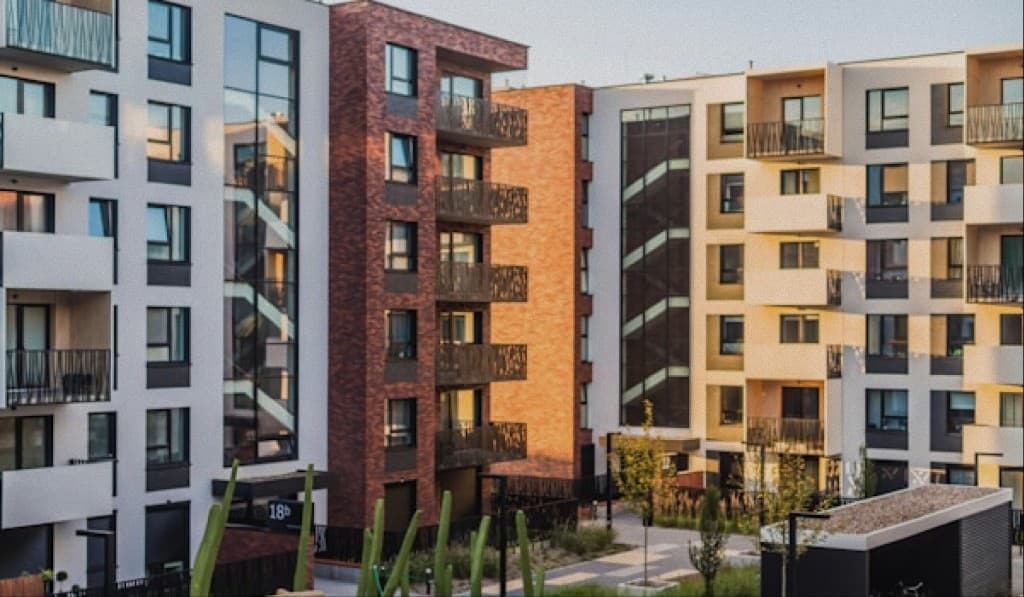
A sewer backup in an apartment building is more than a plumbing problem. It can create tenant complaints, emergency cleanup, access issues, after-hours calls, unit downtime, and pressure on property managers to prevent it from happening again.
For multifamily properties in West LA, the Beach Cities, and the South Bay, a proactive sewer maintenance plan can help reduce recurring problems and identify aging infrastructure before it becomes an emergency.
Why apartment sewer lines need a maintenance plan
Apartment buildings put more load on drain and sewer systems than single-family homes. More fixtures, more occupants, shared mainlines, and inconsistent tenant behavior all increase the chance of grease, wipes, debris, scale, and roots building up in the system.
Older buildings may also have original cast iron, clay, or aging underground drain lines. Those materials can still function, but they need to be watched closely when backups become recurring.
Common causes of apartment sewer backups
Apartment mainline problems often come from a combination of issues:
- Grease buildup
- Wipes and paper products
- Root intrusion
- Cast iron scale
- Poor slope
- Offset joints
- Old clay or cast iron pipe
- Heavy tenant usage
- Improper disposal in kitchen drains
Clearing the line once may get the property through the day. It does not always solve the reason the backup happened.
Hydro jetting for apartment buildings
Hydro jetting uses high-pressure water to clean the inside of the line. For apartment buildings, it can be useful for clearing grease, soft scale, sludge, and debris from shared drain lines and sewer mains.
The right maintenance cadence depends on the building. Some properties may need annual jetting. Others with heavy grease or repeated backups may need service every six months or quarterly. The schedule should be based on the camera footage and backup history, not a generic guess.
Camera inspections and documentation
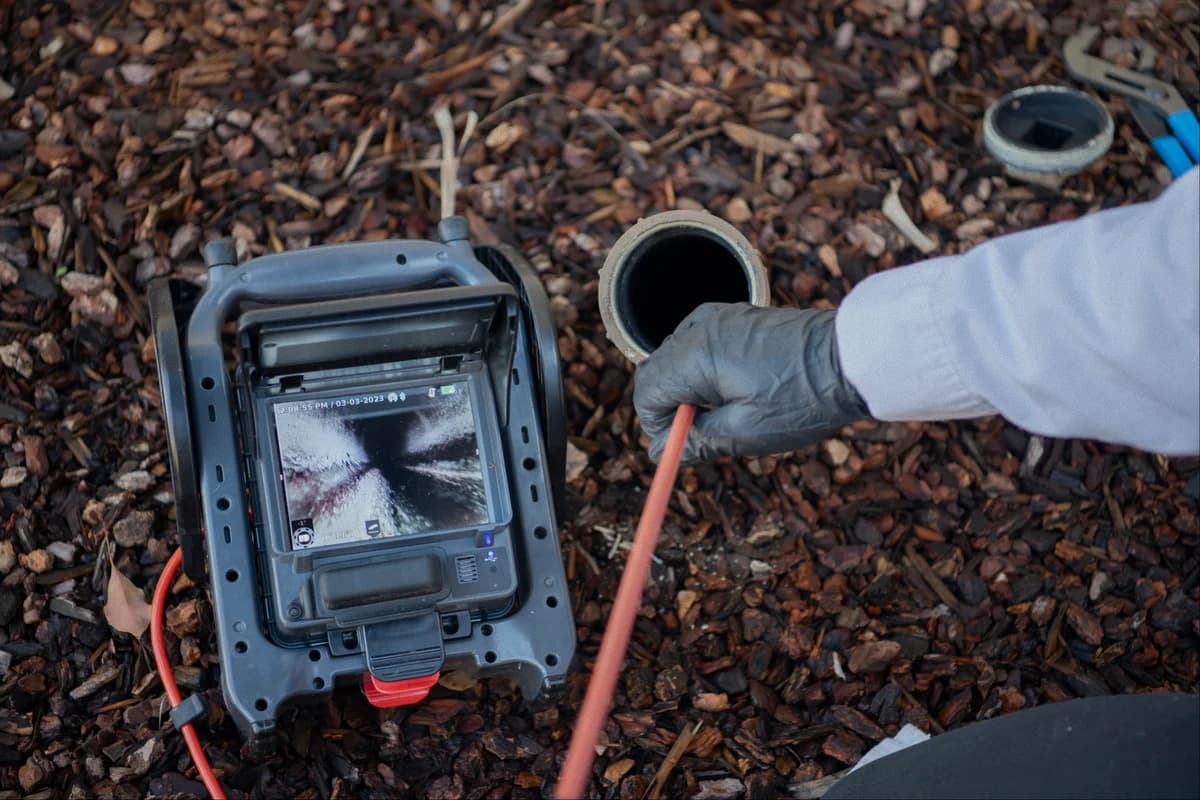
A sewer camera inspection helps property owners and managers understand whether the issue is maintenance-related or structural.
The camera can show root intrusion, cracks, corrosion, offsets, bellies, and failing pipe. That documentation is useful for planning budgets, communicating with owners, and deciding whether a line should be cleaned, lined, repaired, or replaced.
Planning CIPP lining for multifamily properties
CIPP lining can be a strong option when an apartment sewer line has recurring structural problems but is still a good candidate for rehabilitation. It can help reduce excavation and minimize disruption to tenants.
For larger buildings, lining work can sometimes be phased by line, area, or priority. That allows property owners to address the worst sections first while planning future work more strategically.
What a maintenance program should include
A practical apartment sewer maintenance program may include:
- Initial camera inspection
- Hydro jetting or cleaning as needed
- Documentation of pipe condition
- Maintenance schedule based on risk
- Budget planning for structural repairs
- Emergency response process for backups
- Before-and-after footage for major work
The goal is not just to clear lines. The goal is to reduce surprises.
See commercial and multifamily sewer repair, hydro jetting, sewer camera inspection, and CIPP pipe lining.
Frequently asked questions
- How often should apartment sewer lines be hydro jetted?
- It depends on the building. Some properties may only need annual maintenance, while buildings with grease-heavy lines or repeated backups may need a more frequent schedule.
- Should property managers wait until there is a backup?
- Waiting can be more expensive. Preventive maintenance helps identify issues before tenants are affected.
- Can CIPP lining be used in apartment buildings?
- Yes, when the pipe is a good candidate. A camera inspection determines whether lining is appropriate.
- What should I do after a recurring backup?
- Do not only clear the line. Have the pipe inspected so you understand why the backup keeps happening.