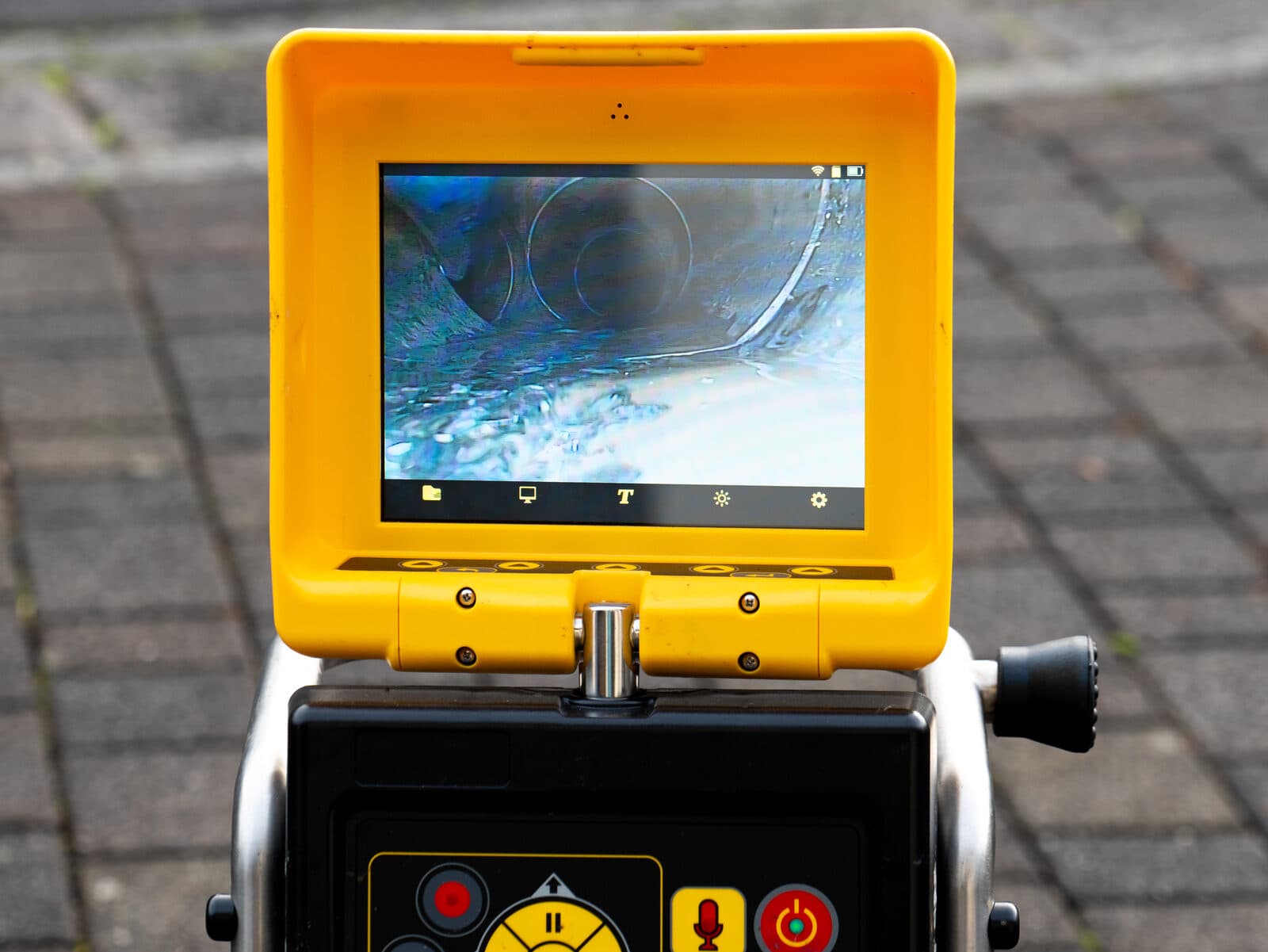
A sewer camera inspection is one of the most useful tools for diagnosing sewer and drain problems. Instead of guessing why a line is backing up, a camera inspection shows the actual condition inside the pipe.
For homeowners, property managers, real estate agents, and commercial property owners, that information can prevent unnecessary work, support a better repair plan, and document the condition of the line before and after service.
What a sewer camera inspection can show
A sewer camera can help identify:
- Root intrusion
- Cracked pipe
- Broken or collapsed sections
- Offset joints
- Corrosion
- Heavy scale buildup
- Grease accumulation
- Standing water or pipe bellies
- Improper connections
- Foreign objects or debris
The camera does not just show whether the line is clogged. It helps explain why the line is clogging.
When you should schedule an inspection
A sewer camera inspection is worth considering when you have:
- Repeated mainline backups
- Slow drains throughout the property
- Sewer odor
- Gurgling toilets or drains
- Root problems
- An older cast iron or clay sewer line
- A property sale or purchase
- A planned remodel or addition
- A commercial or multifamily maintenance issue
For high-value properties and multi-unit buildings, the cost of an inspection is small compared with the cost of an avoidable sewer emergency.
What happens during the inspection
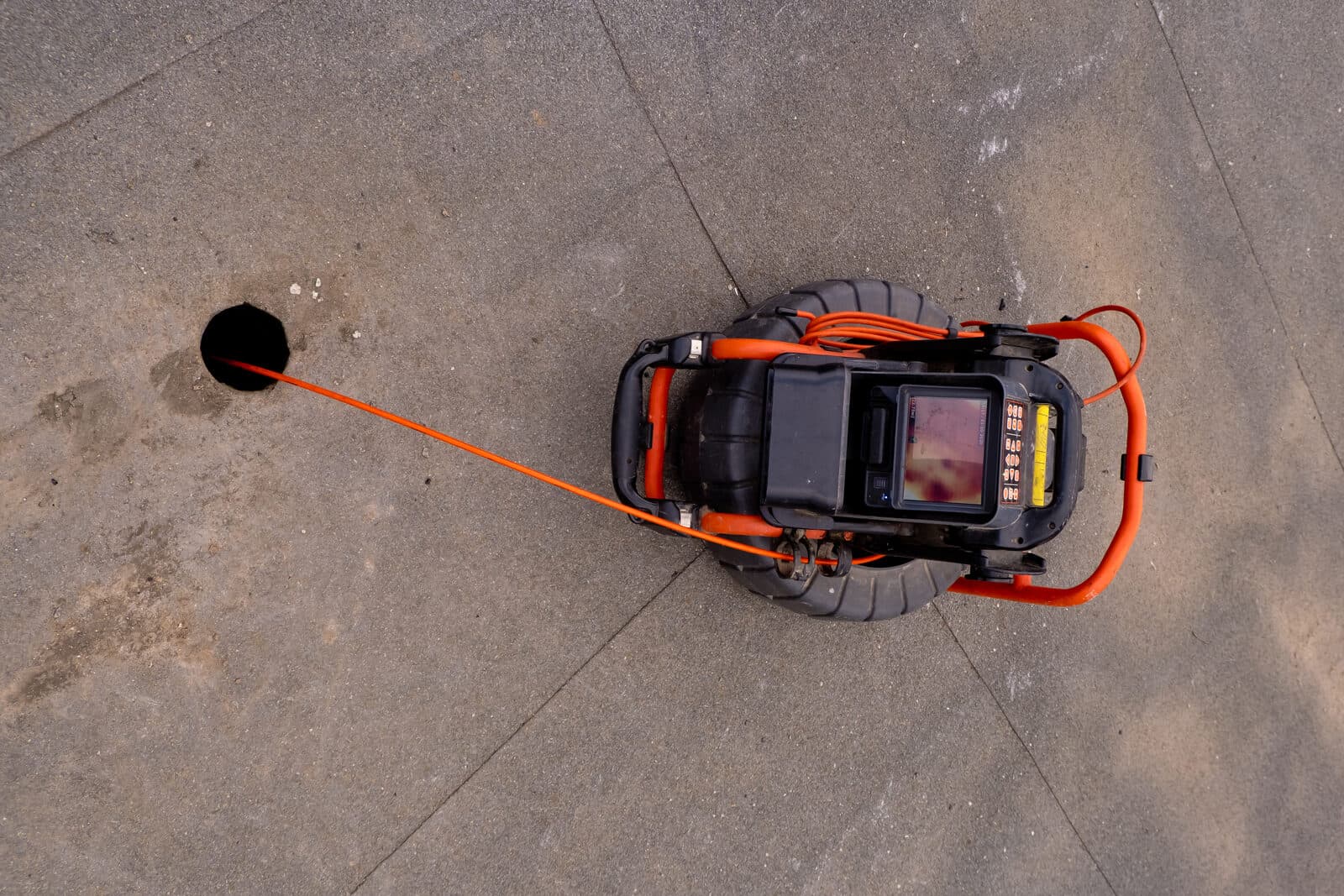
The technician finds an access point, such as a cleanout, roof vent, or pulled fixture access, then sends the camera through the line. The camera footage is used to locate defects, measure distance, and identify the pipe material and condition.
In some cases, the line must be cleared first. If the camera cannot pass through grease, roots, debris, or a heavy blockage, the line may need snaking or hydro jetting before the inspection can be completed.
What makes an inspection useful
A useful sewer inspection should give you more than a vague explanation. You should understand:
- What the camera found
- Where the problem is located
- Whether it is a cleaning issue or a structural issue
- Whether the pipe can be lined
- Whether excavation is needed
- What the next step should be
For repair work, before-and-after footage is especially valuable. It confirms what was found and what was completed.
Sewer inspections for real estate transactions
Sewer inspections are common during real estate due diligence because sewer repairs can be expensive. A camera inspection can help buyers understand the condition of the lateral before closing. It can also help sellers address issues before listing or negotiate with better information.
For agents, the goal is clarity. The inspection should turn an unknown risk into a documented condition with practical next steps.
Explore sewer camera inspection, hydro jetting, trenchless sewer repair, and underground sewer and drain repair.
Frequently asked questions
- Can a sewer camera find the exact location of a problem?
- Yes, many inspections can locate the approximate distance and surface location of the defect when paired with locating equipment.
- Does a camera inspection clear the clog?
- No. A camera inspection diagnoses the line. Cleaning or hydro jetting may be needed separately.
- Do I need a sewer inspection if the drain is working now?
- If the property has a history of backups, old cast iron or clay pipe, or a pending sale, an inspection can still be worth it.
- What if the camera finds a damaged pipe?
- The next step is a repair recommendation. Depending on the condition, that could mean hydro jetting, CIPP lining, spot repair, pipe bursting, or replacement.