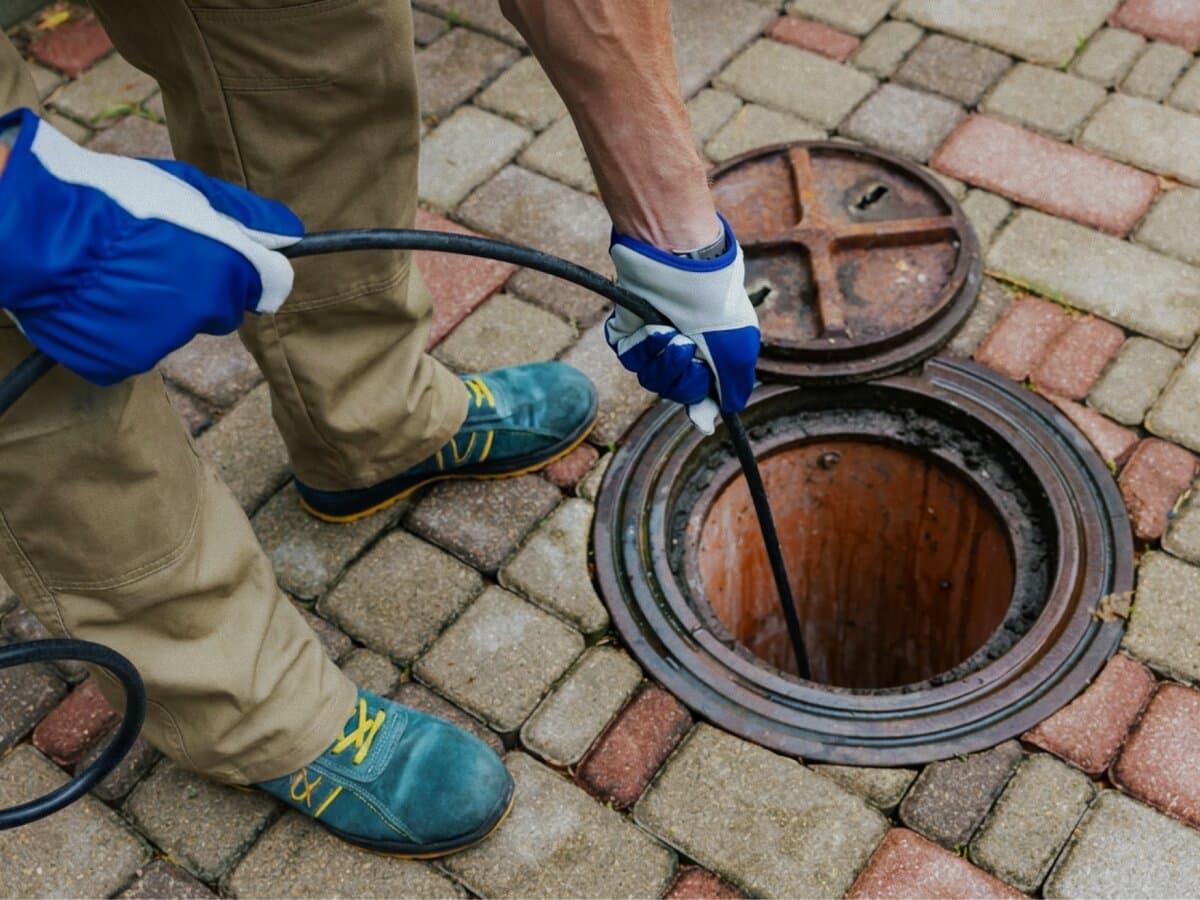
A main sewer line backup is bad enough once. When it keeps happening, the property likely has more than a simple clog. Repeated backups usually mean something in the sewer or drain system is catching waste, restricting flow, or allowing debris to build up again after the line is cleared.
For homes, apartments, restaurants, commercial buildings, and managed properties, recurring sewer backups should be treated as a diagnostic issue, not just a drain-cleaning issue.
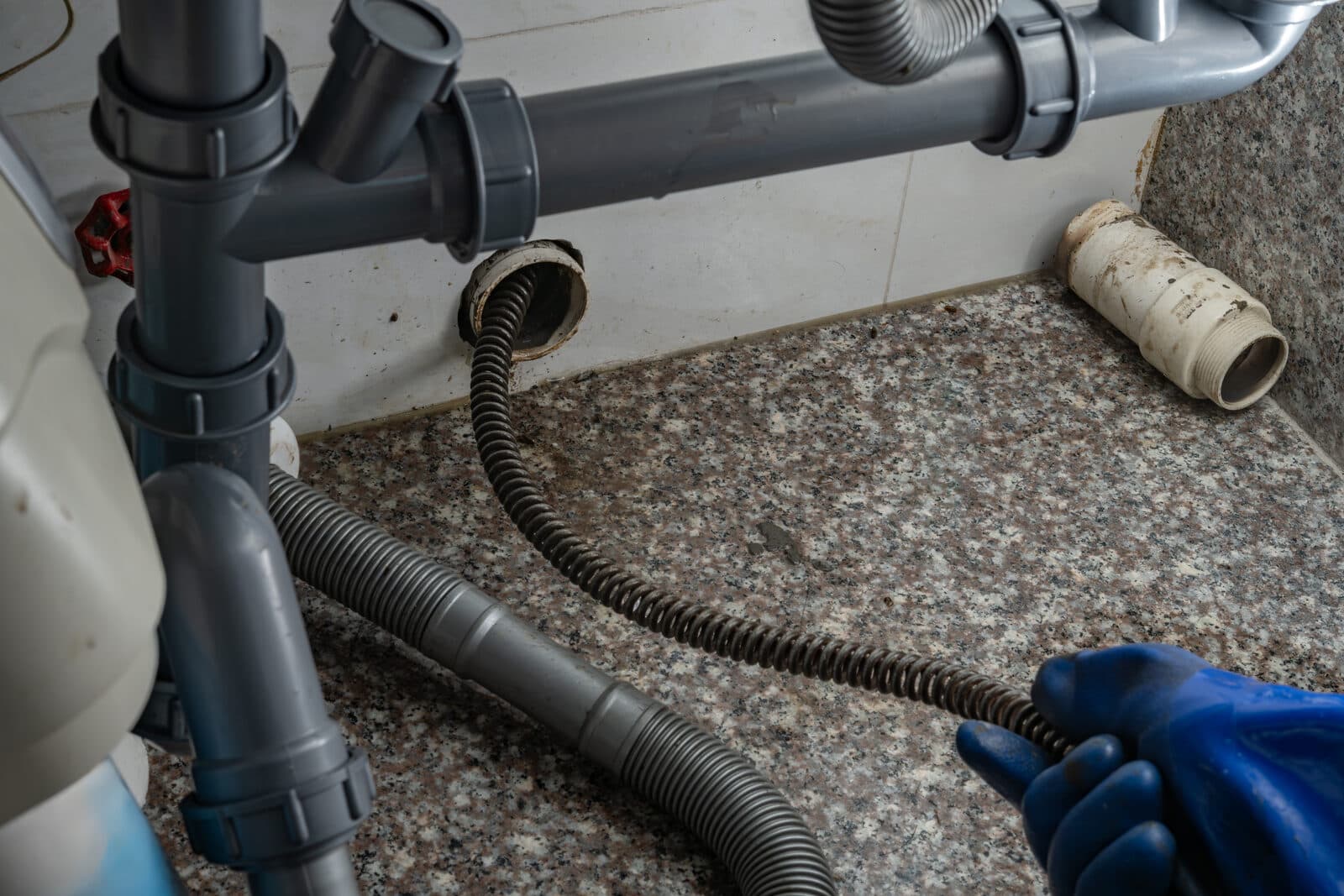
Common signs of a main sewer line problem
A mainline problem can show up in several ways:
- Multiple drains slow down at the same time
- Water backs up into a tub, shower, or floor drain
- Toilets gurgle when other fixtures run
- A cleanout overflows outside
- Sewer odor appears inside or near the building
- The same line needs to be cleared repeatedly
- Backups happen after laundry, showers, or heavy use
If only one sink or shower is slow, it may be a local drain issue. If multiple fixtures are affected, the main line should be inspected.
Roots in the sewer line
Roots are one of the most common reasons sewer lines keep backing up. They often enter through joints, cracks, or small openings in clay, cast iron, or aging pipe. Once roots are inside, they catch paper, grease, wipes, and debris.
Snaking may cut through the roots temporarily, but if the opening remains, the roots can return. Depending on the pipe condition, long-term options may include hydro jetting, root cutting, spot repair, CIPP lining, or replacement.
Grease, sludge, and buildup
Grease does not only affect restaurants. Residential kitchens, apartment buildings, and commercial properties can all develop grease and sludge buildup over time. Grease sticks to the inside of the pipe, catches debris, and narrows the line.
Hydro jetting can be an effective way to clean grease-heavy lines, especially when followed by camera inspection to confirm whether the pipe itself is still in good condition.
Cast iron scale and corrosion
Older cast iron drain lines can corrode and develop rough interior walls. Scale buildup makes it easier for waste and paper to catch, which leads to repeated clogs.
In some cases, cast iron lines can be cleaned and restored. In other cases, pipe lining or replacement may be needed. A camera inspection is the best way to tell the difference.
Bellies, offsets, and poor slope
A belly is a low spot in the pipe where water sits instead of flowing away. An offset is where two sections of pipe no longer line up correctly. Both conditions can cause waste to collect and create recurring backups.
These issues are important because cleaning alone may not solve them. If the line has a major slope problem, a repair plan may need to address the pipe grade or damaged section.
Broken or collapsed pipe
A broken or collapsed pipe can cause frequent backups, sewage leaks, and worsening damage. If the camera cannot pass through the line or shows a severe structural failure, cleaning is not enough.
The repair may require excavation, trenchless replacement, or a targeted underground sewer and drain repair depending on access and pipe condition.
Why repeated snaking is not a strategy
Snaking can be useful, but if the same line keeps backing up, the property needs a real diagnosis. Repeatedly clearing the blockage without inspecting the line can waste money and delay the repair that actually solves the problem.
A better approach is:
- Clear the immediate blockage if necessary
- Run a sewer camera inspection
- Identify the cause of the backup
- Recommend cleaning, lining, spot repair, replacement, or maintenance
- Verify the work with footage when possible
Start with a sewer camera inspection and review trenchless sewer repair options when the line is a good candidate.
Frequently asked questions
- Why does my sewer line back up every few months?
- Recurring backups can be caused by roots, grease, scale, poor slope, pipe offsets, broken pipe, or repeated debris buildup. A camera inspection can show the real cause.
- Can hydro jetting stop recurring sewer backups?
- Hydro jetting can help if the issue is grease, sludge, debris, or some root buildup. If the pipe is broken, collapsed, or poorly sloped, repair may be needed.
- Should I replace my sewer line if it keeps clogging?
- Not always. Some lines can be cleaned, lined, or repaired in sections. Replacement is usually considered when the pipe condition is too damaged for rehabilitation.
- Is a sewer backup a plumbing emergency?
- Yes, especially when sewage enters living areas, tenant spaces, or commercial areas. Stop using water and schedule service quickly.